History of Zomerlust
A place of layered stories
Few properties along Paarl’s historic Main Road carry as many chapters as Zomerlust. Positioned on a deep strip plot at 193 Main Road, part of the garden-fronted townscape that has defined Paarl’s character since the late seventeenth century. Zomerlust has been accumulating stories for well over 200 years.
Origins and Architecture
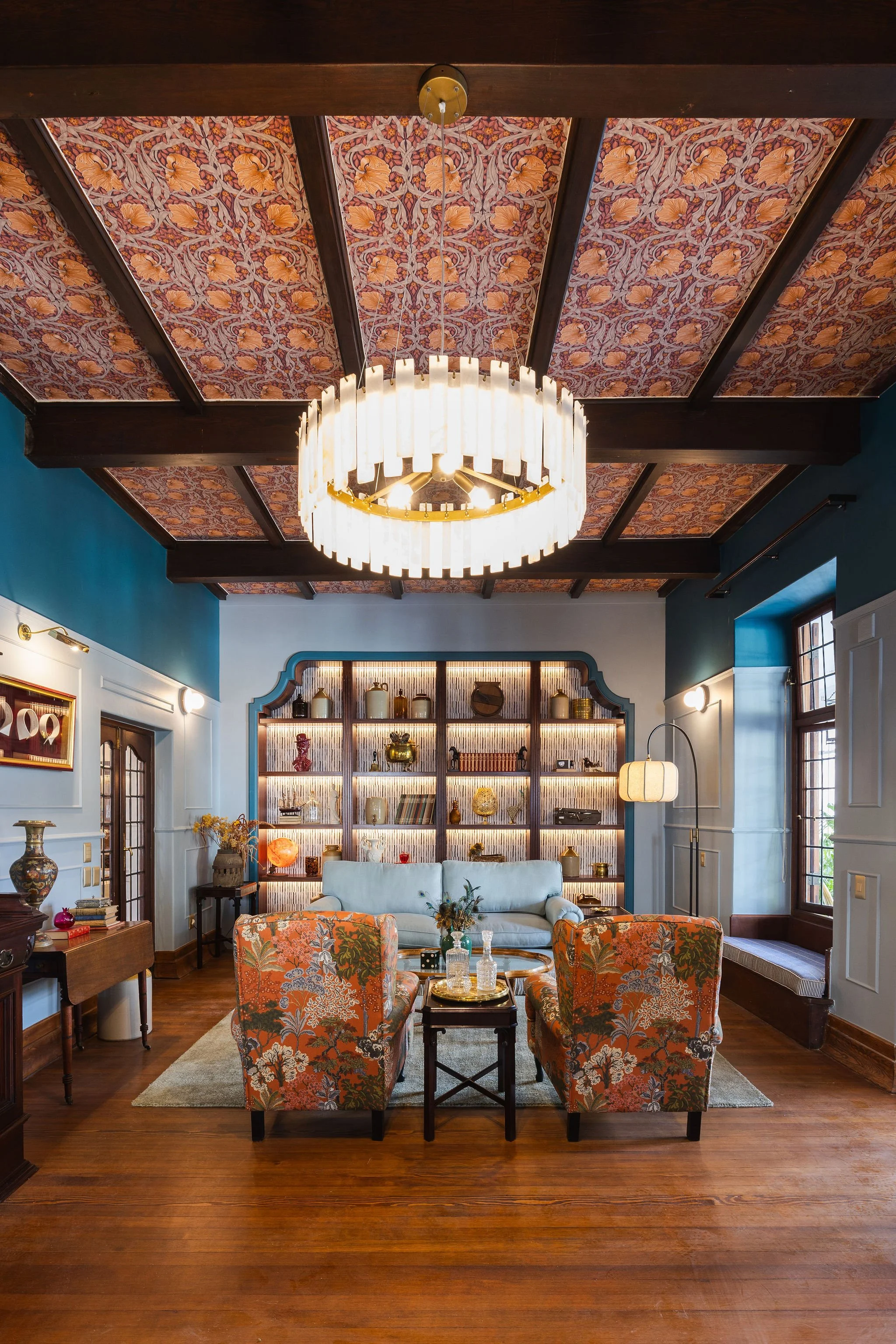
The name Zomerlust, loosely translated from Dutch as “summer’s delight” or “the pleasure of summer”, speaks to the spirit in which it was originally conceived. The earliest buildings on the site reflect the vernacular traditions of the Cape Dutch period, with both the Zomerlust structure, erected in 1792, and the neighbouring Rozenfontein complex thought to have originated as Cape Dutch buildings. Over the centuries, these were extended and layered: the main Zomerlust building evolved into a Georgian structure with early 20th-century additions in what heritage architects describe as a “Baker-esque” manner, referencing the influence of Sir Herbert Baker, the architect who shaped so much of South Africa’s built character during that era. Elements of the earliest building survive to this day, embedded in the hotel's basement, now home to SMEUL Restaurant.
The De Villiers family and the legend of the brandy pipe
In 1848, the property was purchased by Dr Johannes Smuts, a medical doctor and prominent figure in the Paarl community. It was through his family that Zomerlust became intertwined with one of the Boland’s great entrepreneurial dynasties. In 1856, Abraham Pieter de Villiers, whose French Huguenot ancestors had settled in the region as early as 1685, founded the Paarlse Wijn en Brandewijn Maatschappij, (the Paarl Wine and Brandy Company) directly across the road from the property. When Dr Smuts died, his son-in-law, Jacob Isaac de Villiers, who had married one of the Smuts daughters in 1878, purchased Zomerlust from his mother-in-law, and so the house passed into De Villiers hands. It would remain there for over a century.
Three generations of the De Villiers family called Zomerlust home. In 1927, Johannes Smuts de Villiers bought the property from his mother’s estate, and in 1948, it was registered in the names of his four children. It was only in 1991, after 113 years in the family, that Zomerlust finally passed out of De Villiers’ ownership.
The family’s flair for hospitality became the stuff of local legend. Abraham Pieter de Villiers was, by all accounts, a man who entertained with considerable panache. He is said to have had a red carpet rolled out across Main Road whenever he wished to cross to his cellar. More enduringly, the story is told of an underground pipe running beneath the road, connecting the brandy warehouse's maturation casks directly to a tap in the house, allowing De Villiers to pour his guests a glass of Paarl Rock Brandy without anyone having to leave the comfort of the dining room. Whether entirely fact or partly folklore, the legend captures something true about the spirit of Zomerlust: a house built for generous living.
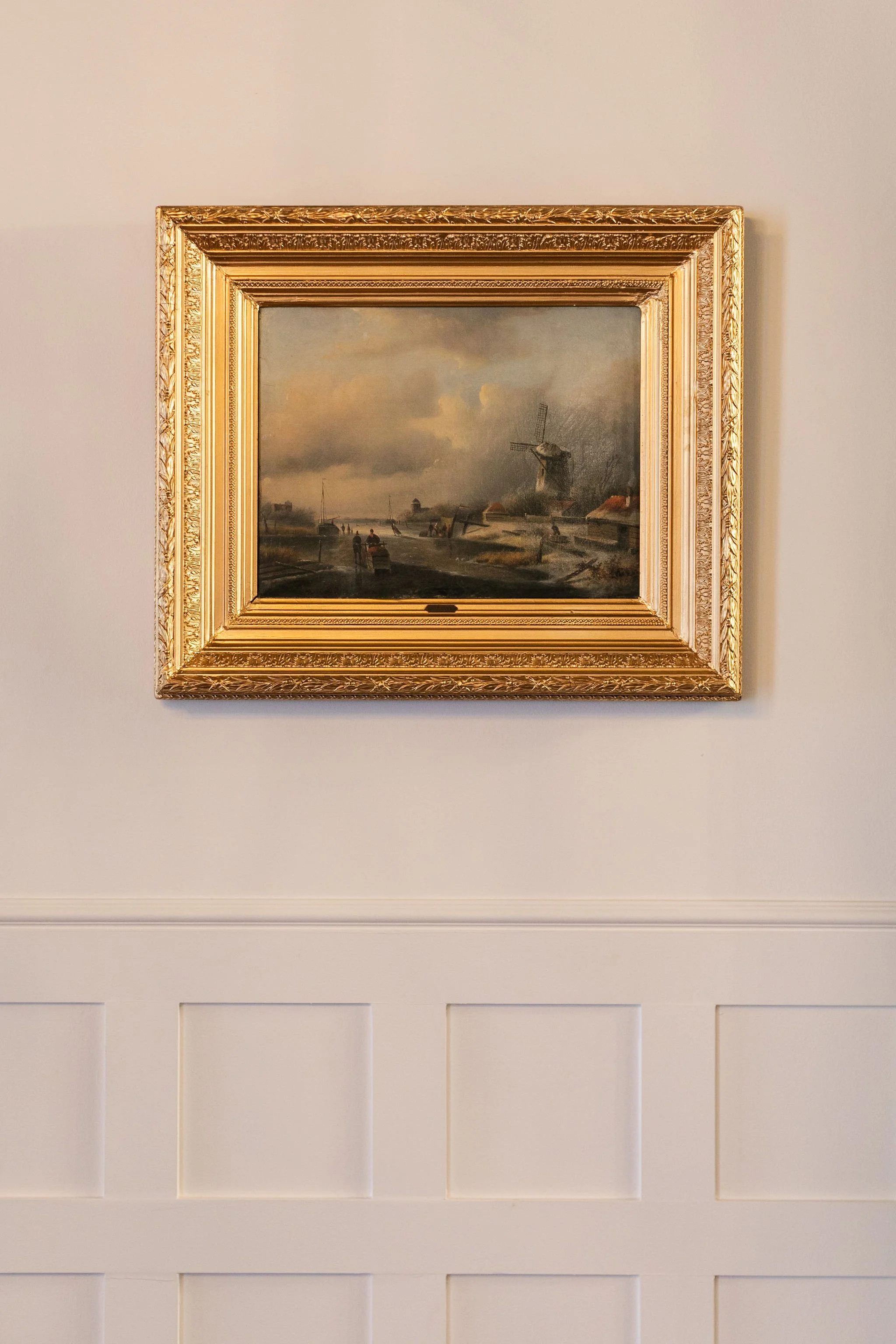
Becoming a hotel
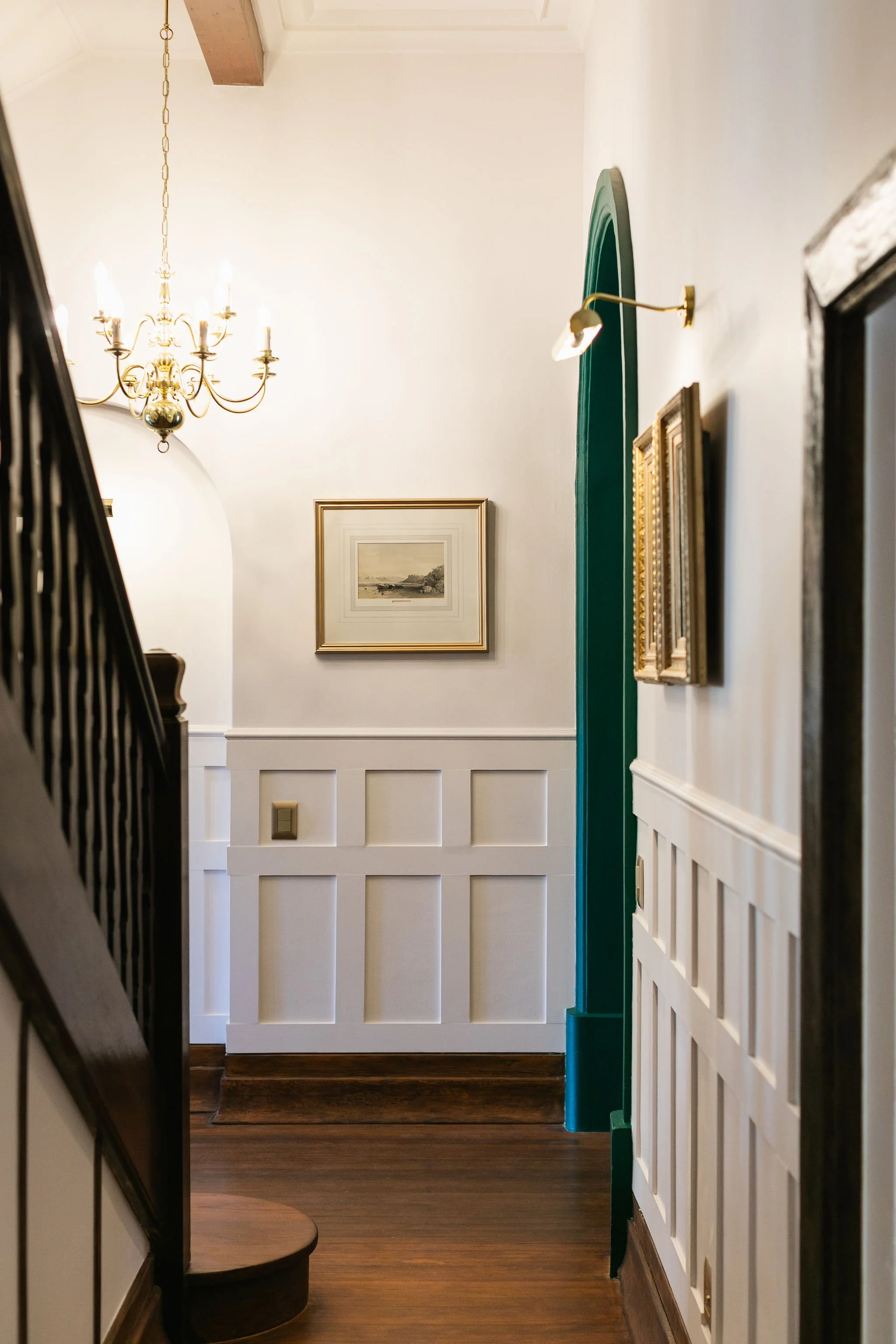
When Zomerlust was eventually sold out of the De Villiers family in 1991, it was redeveloped in close collaboration with the four De Villiers heirs, with a deliberate commitment to conserving its history and natural environment. The original manor house and the old stables – Die Stalle – were converted into guest accommodation, and the property opened as a guesthouse and later, a hotel.
Heritage recognised
The site has long been recognised for its heritage value, having been listed as a Provincial Heritage Site in the Drakenstein Heritage Register since 2012. The restoration and refurbishment of Zomerlust as a boutique hotel has been undertaken with these layers carefully in mind, guided by heritage assessments and approved by Heritage Western Cape. The intention throughout has been to activate rather than fossilise – to bring life back to a precinct that is most itself when it is occupied, enjoyed, and remembered.
Today, as Zomerlust opens its doors once more, those many layers, architectural, educational, cultural, and natural, continue to shape the experience of every guest who walks through the gate, and it is our wish that every guest feels the legacy and heritage that has shaped this iconic property. Look closely, and you’ll still find early building elements embedded in the structure today, including in the basement that is now home to SMEUL restaurant.
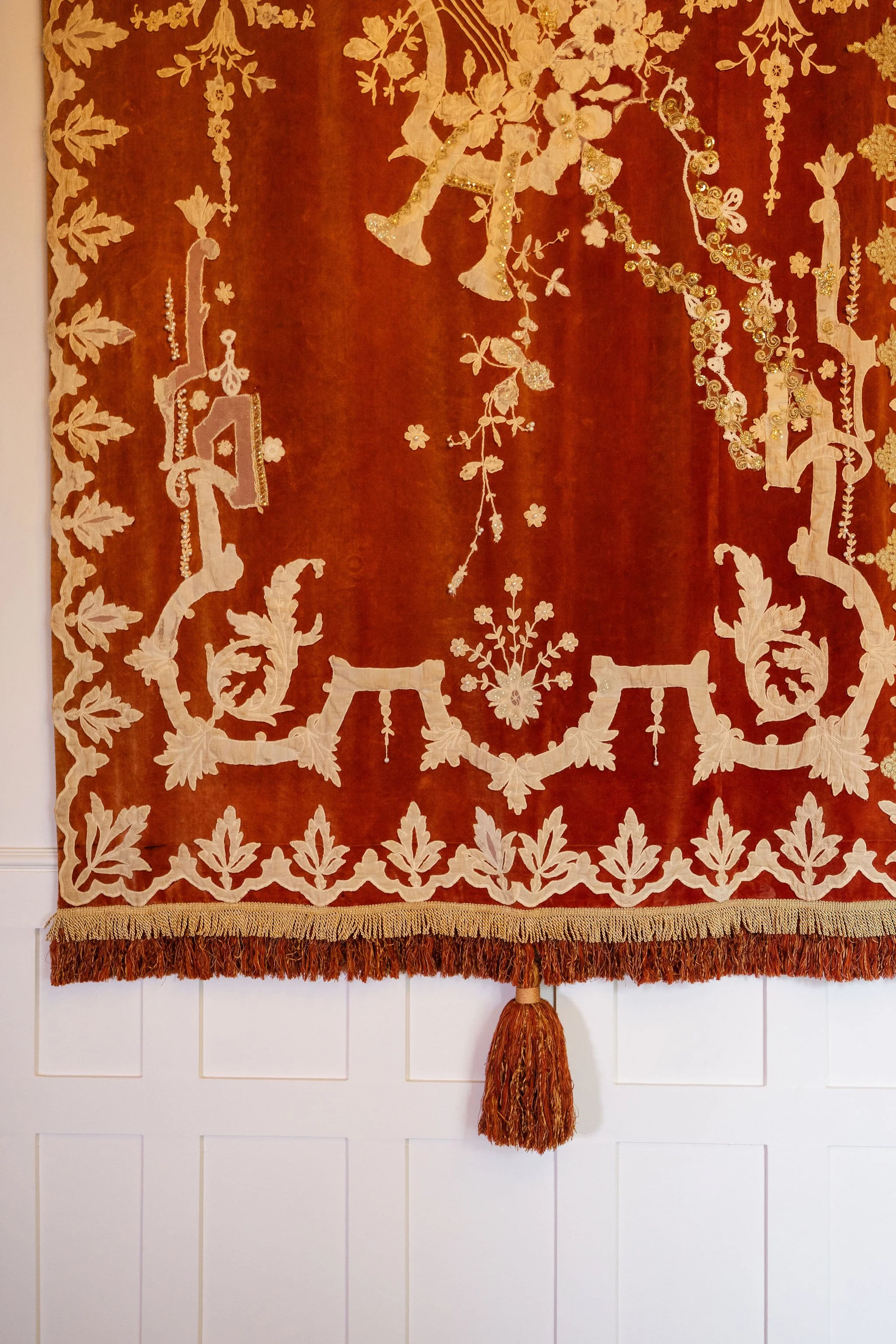
A school, a spring, and a poet
The broader precinct tells a particularly compelling educational story. The Rozenfontein complex at the rear of the property – reached via the curve of Rozenfonteinsteeg, formerly known as Lawaaimaakstraat, once housed one of Paarl’s earliest formal schools. The first purpose-built school building on the premises was occupied in 1876, and the site was subsequently shared between the boys’ school and the First Class School for Girls, together known as the Paarlse Opvoedingsinstituut. It was here, between 1884 and 1887, that a young Eugène Nielen Marais attended school.
Marais would go on to become one of the most significant figures in Afrikaans literature and natural science – a poet, journalist, lawyer, and pioneering naturalist whose observations of termite colonies and primate behaviour were decades ahead of their time. That his formative years were spent within the walls of this very precinct lends Zomerlust a quiet and enduring cultural resonance.
The landscape and its memory
Beyond the buildings, the site’s cultural landscape carries its own significance. Heritage surveys have identified traces of a “common spring” and a “common footpath” in earlier erf diagrams of the property – invisible but significant histories written into the lie of the land. The mature trees that anchor the garden today, including magnificent specimens of Magnolia grandiflora, Cape chestnut and liquidambar, are themselves part of this living record.